
Melasma Treatment
Radiant skin and renewed confidence, personalized for you.
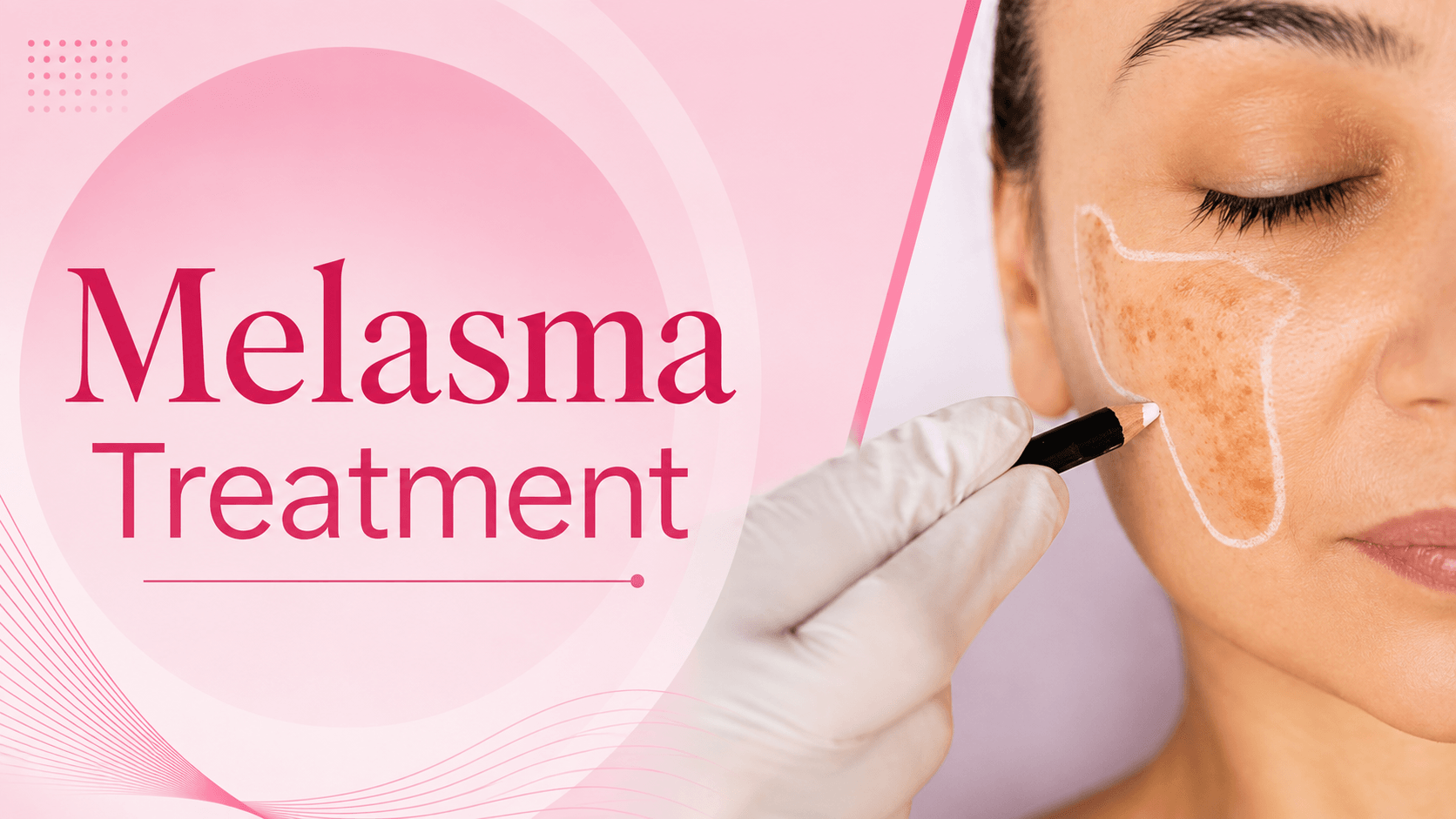
Experience radiant skin and renewed confidence with Skin Soul Clinic's specialized melasma treatment in Nerul, Navi Mumbai.
Melasma is a common skin condition characterized by dark, discolored patches typically on the face, triggered by sun exposure, hormonal changes, or genetics. Treatment often involves a combination of topical medications, chemical peels, and laser therapy. Topical creams containing hydroquinone, corticosteroids, or retinoids are frequently prescribed to lighten the patches. Chemical peels, which remove the top layer of skin, can also help reduce pigmentation, while laser therapy targets melanin-producing cells to lighten dark spots. Sun protection, including sunscreen and protective clothing, is crucial to prevent worsening of melasma.
Skin Soul Clinic, under the expertise of Dr. Sneh Thadani, offers advanced treatment for melasma in Nerul, Navi Mumbai. With a personalized approach, Dr. Thadani employs state-of-the-art techniques to address melasma, tailoring treatments to individual skin types and concerns. Utilizing cutting-edge technology and proven methodologies, the clinic aims for effective results while prioritizing patient comfort and safety.

Dr. Sneh Thadani
MBBS, DNB, Consultant Dermatologist, Trichologist and Cosmetologist
Dr. Sneh Thadani boasts over nine years of experience in the field of cosmetic dermatology, establishing herself as a prominent figure with a diverse clientele of satisfied and content individuals. Dr. Thadani's qualifications, including an MBBS from Terna Medical College and post-graduation in DNB Dermatology from Jaslok Medical College and Research Center, serve as a testament to her clinical expertise.
Dr. Sneh Thadani's expertise and dedication ensure comprehensive care for melasma at Skin Soul Clinic, guiding patients through their treatment journey with professionalism and compassion. Her personalized approach tailors every treatment plan to the patient's individual skin type and concerns, prioritizing comfort and safety alongside effective results.
Symptoms of Melasma
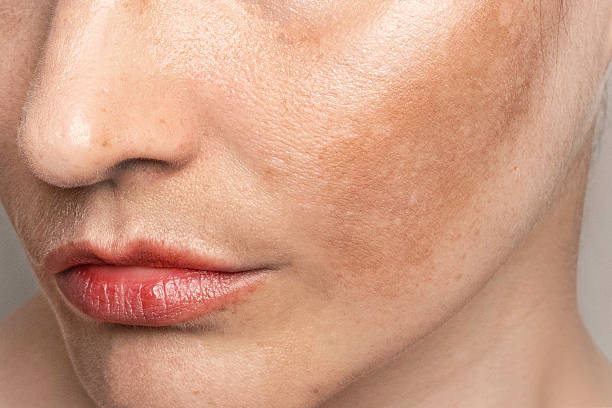
Melasma typically presents as brown or grayish-brown discolored areas on the face, particularly on areas most exposed to the sun, such as the cheeks, forehead, nose bridge, and chin usually appearing in a symmetrical pattern on both sides. Common symptoms include:
- Hyperpigmentation: dark, discolored patches on the skin, often in a symmetrical pattern
- Patches may vary in size and shape
- Usually affects areas of the face most exposed to sunlight, such as the cheeks, forehead, nose, and chin
- Typically, no other physical symptoms accompany melasma
- Melasma can cause emotional distress or self-consciousness due to changes in appearance
What Causes Melasma?
Melasma is triggered by sun exposure, hormonal changes, or genetics. It is a type of hyperpigmentation, and while it may fade in periods, it doesn't go away completely it's difficult to treat because it tends to recur, especially with sun exposure, which makes consistent sunscreen use important even when the sun isn't directly out.
Types of Melasma Treatment
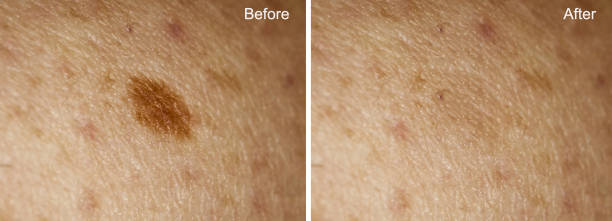
Topical treatments such as creams containing hydroquinone, corticosteroids, tretinoin, kojic acid, azelaic acid, or combinations of these work by lightening the skin and inhibiting melanin production. Chemical peels use a chemical solution to peel the skin, helping to fade dark spots caused by melasma. Microdermabrasion gently removes the surface layer of skin to generate new, healthy cells, making dark patches less visible. Laser therapy including Q-switched Nd:YAG lasers, fractional lasers, or intense pulsed light (IPL) devices can target melasma pigment while leaving healthy tissue intact. Cosmetic camouflage, using concealers and makeup specially formulated for hyperpigmentation, can also temporarily disguise dark patches.
Benefits of Melasma Treatment
Beyond visible results, managing melasma often builds greater sun protection awareness and a consistent skincare discipline of cleansing, moisturizing, and applying sunscreen regularly. Many patients also find the experience builds empathy and understanding toward others facing similar skin concerns, encourages a broader focus on internal health through balanced diet, hydration, and stress management, and supports greater self-acceptance and confidence.
Who Is an Ideal Candidate for Melasma Treatment?
People who have melasma dark facial patches typically caused by hormonal changes, sun exposure, or genetic factors are generally suitable candidates for treatment, particularly those who have tried over-the-counter products without much success. Candidates with realistic expectations about treatment outcomes and a commitment to follow-up care, including consistent sun protection, are considered well-suited for treatment.
Is Melasma Permanent?
Melasma is a type of hyperpigmentation causing brown or gray-brown spots on the face, usually triggered by hormonal changes and sun exposure. While it may fade over time, it doesn't go away completely. Topical creams, chemical peels, or laser therapy can help reduce its appearance, though melasma is difficult to treat fully because it tends to recur, especially with sun exposure making consistent sunscreen use, even without direct sun, an important part of managing it effectively.
Ready to address your melasma?
Book a consultation with Dr. Sneh Thadani and get a personalized treatment plan built around your skin.
Book a Consultation