Seborrheic Dermatitis Treatment
Personalized care for lasting relief from flaking and irritation.
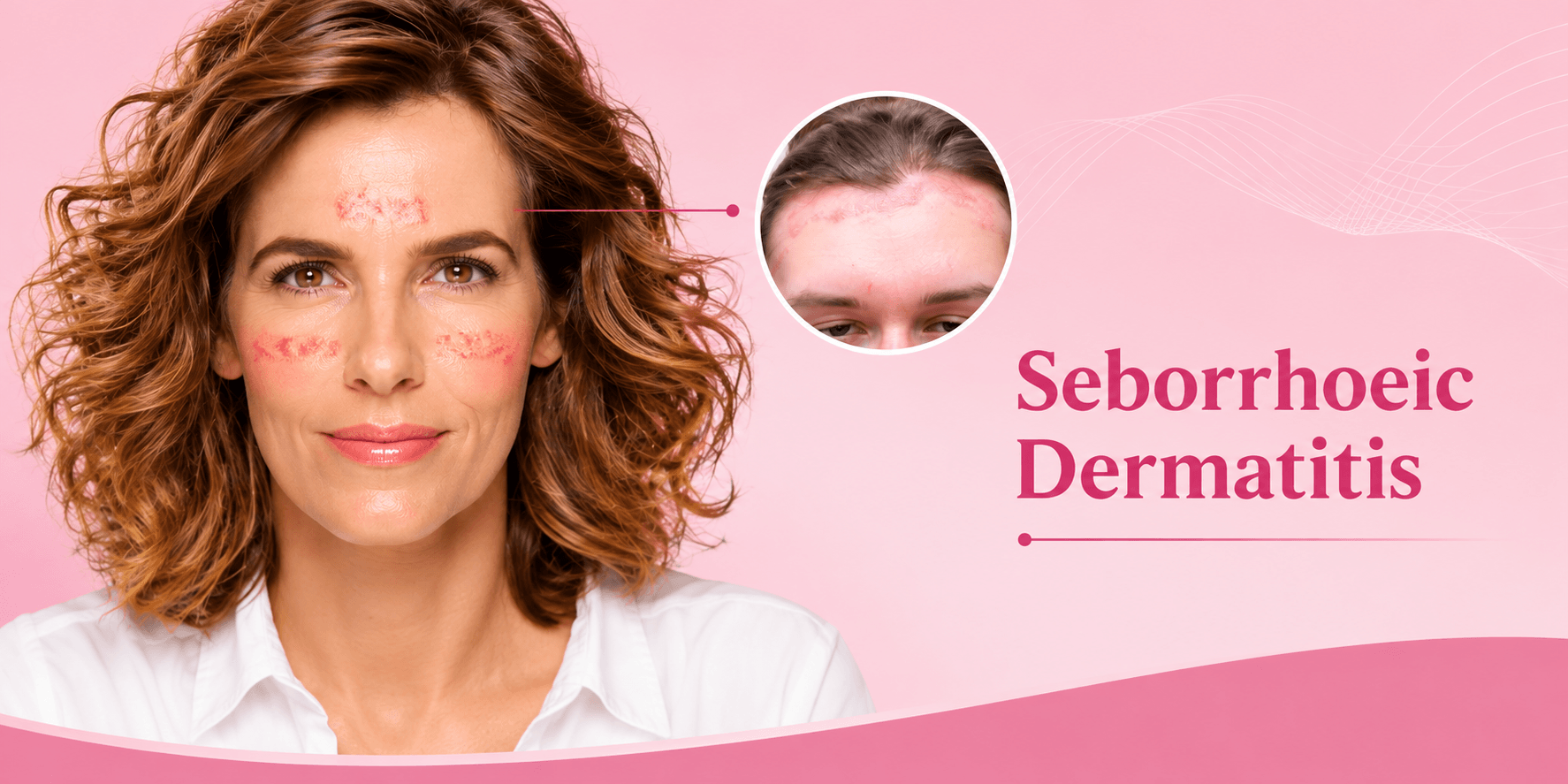
Seborrheic dermatitis treatment involves various methods to manage symptoms. Medicated shampoos containing ingredients like ketoconazole, selenium sulfide, or pyrithione zinc can help control scalp irritation. Topical antifungal creams or ointments containing ketoconazole, hydrocortisone, or calcineurin inhibitors may be prescribed for affected skin areas. In severe cases, oral antifungal medications or corticosteroids might be necessary. Additionally, gentle skincare routines with mild cleansers and moisturizers can help soothe irritated skin, and avoiding triggers like stress, harsh skincare products, and extreme weather conditions may also aid in managing symptoms.
Skin Soul Clinic, helmed by Dr. Sneh Thadani, offers expert Seborrheic Dermatitis Treatment in Nerul, Navi Mumbai. With a focus on patient care and advanced dermatological solutions, the clinic provides personalized treatment plans tailored to individual needs. Dr. Thadani's expertise and compassionate approach ensure effective management of seborrheic dermatitis, addressing symptoms and providing long-term relief through comprehensive care, cutting-edge techniques, and clinically proven therapies.
Dr. Sneh Thadani
MBBS, DNB, Consultant Dermatologist, Trichologist and Cosmetologist
Dr. Sneh Thadani boasts over nine years of experience in the field of cosmetic dermatology, establishing herself as a prominent figure with a diverse clientele of satisfied and content individuals. Dr. Thadani's qualifications, including an MBBS from Terna Medical College and post-graduation in DNB Dermatology from Jaslok Medical College and Research Center, serve as a testament to her clinical expertise.
Dr. Sneh Thadani brings a patient-focused approach to seborrheic dermatitis care at Skin Soul Clinic, combining advanced dermatological solutions with personalized treatment plans tailored to each individual's needs. Her expertise and compassionate care ensure effective symptom management and long-term relief for patients in Nerul, Navi Mumbai.
Signs and Symptoms
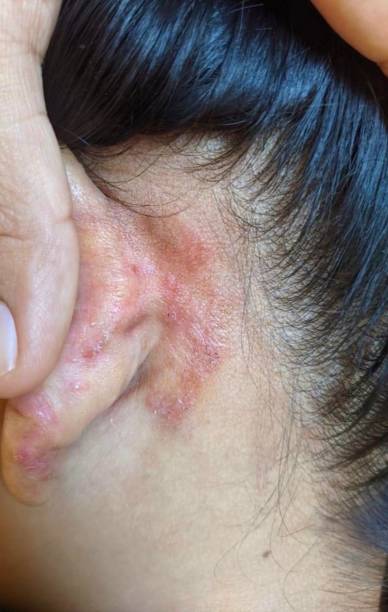
Seborrheic dermatitis is also commonly known as dandruff, and in infants, as cradle cap. Symptoms and presentation include:
- In babies 3 months and younger, crusty yellow or brown scales on the scalp (cradle cap) usually resolves before age one, though it can return at puberty
- In babies, it might be mistaken for diaper rash when it appears on the body
- In adults, commonly appears on the face especially around the nose, in the eyebrows, on the eyelids, or behind the ears
- Can also appear on the body: the middle of the chest, around the navel, on the buttocks, in skin folds under the arms and on the legs, in the groin, and below the breasts
- Skin can itch, burn, or appear red
- Scales that flake off may be white or yellowish and look moist or oily
- Because it can resemble other skin conditions, a proper diagnosis from a dermatologist is recommended
What Causes Seborrheic Dermatitis?
The exact cause of seborrheic dermatitis isn't fully known it appears to result from a combination of factors, including stress, genetics, a yeast that normally lives on the skin, certain medical conditions and medicines, and cold, dry weather. It does not come from an allergy or from being unclean. Newborns and adults aged 30–60 are more likely to get seborrheic dermatitis, and it's more common in men than women and in people with oily skin.
Procedure for Seborrheic Dermatitis Treatment
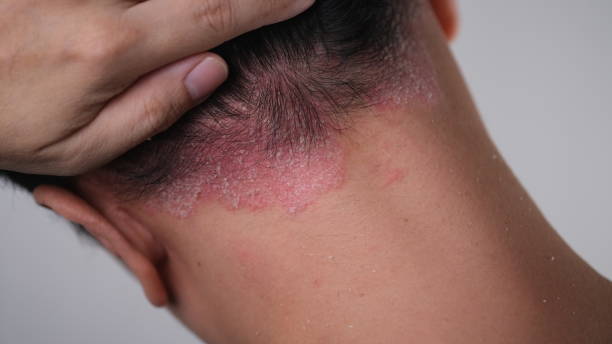
Care begins with diagnosis, where the dermatologist examines the skin and asks about symptoms to confirm seborrheic dermatitis, sometimes taking a skin scraping or biopsy to rule out other conditions. Topical treatments medicated creams, lotions, or shampoos containing antifungal agents, steroids, or other medications are applied directly to affected areas to reduce inflammation and control the yeast that contributes to the condition. In more severe cases, or when topical treatments aren't effective, oral medications such as antifungal agents, steroids, or oral retinoids may be prescribed. Phototherapy, using controlled amounts of UV light, may help reduce symptoms in some cases. The dermatologist may also recommend lifestyle changes or home remedies, such as using gentle skincare products, avoiding triggers like stress or harsh weather, and practicing good hygiene.
Ready to manage your seborrheic dermatitis symptoms?
Book a consultation with Dr. Sneh Thadani and get a personalized treatment plan built around your skin.
Book a Consultation