
Nail Fungal Infection Treatment
Personalized care to effectively manage and eradicate fungal nail issues.
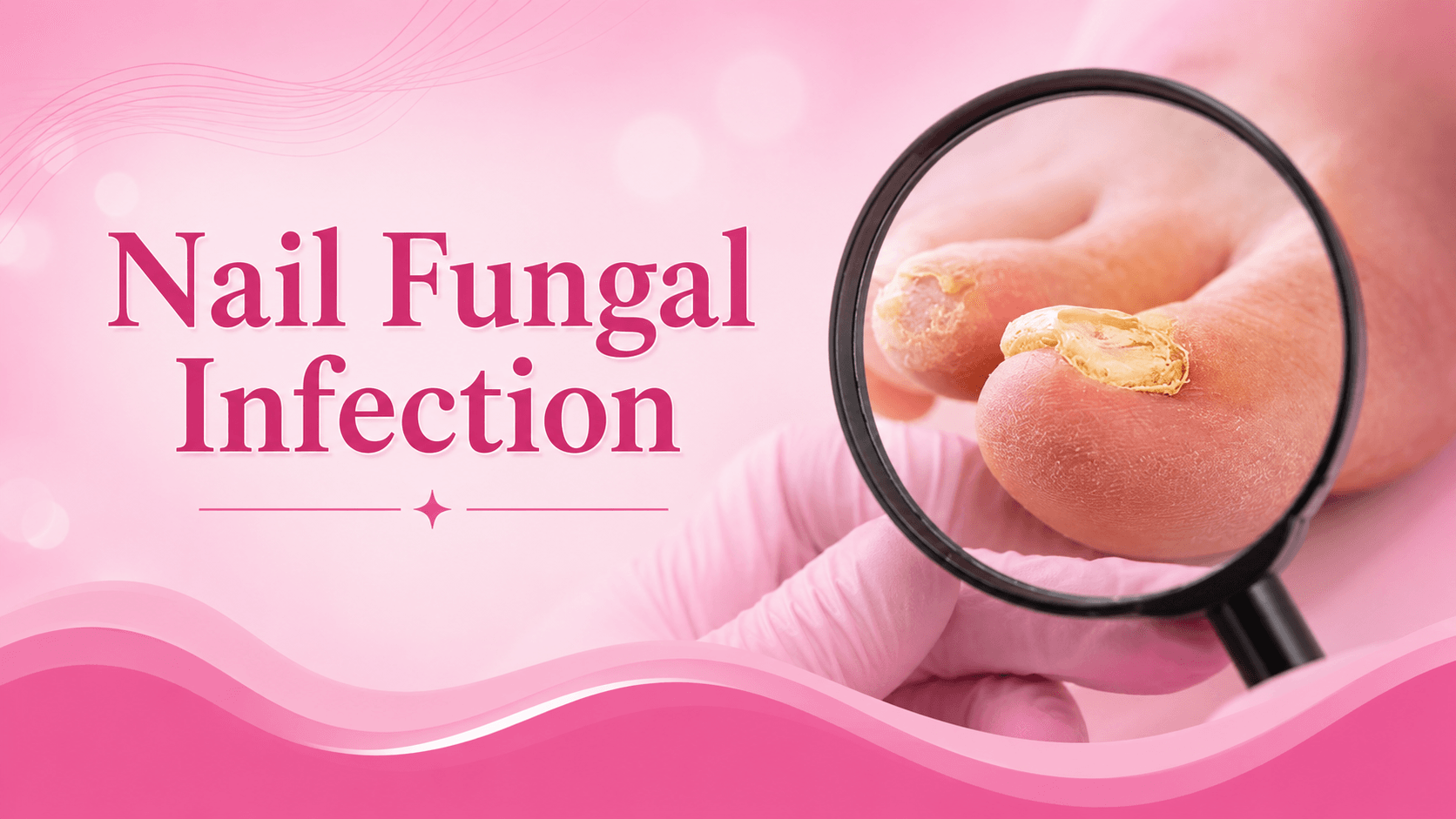
Nail fungal infection, or onychomycosis, is a common condition caused by fungi. It leads to nail discoloration, thickening, and brittleness. Treatments range from topical antifungals to oral medications, depending on severity. Proper hygiene and early intervention are key to managing and preventing recurrence of this fungal ailment.
For comprehensive nail fungal infection treatment in Nerul, Navi Mumbai, Skin Soul Clinic's expert dermatologists utilize advanced techniques to provide personalized care. With a focus on patient satisfaction and safety, Skin Soul ensures optimal results and improved nail health.

Dr. Sneh Thadani
MBBS, DNB, Consultant Dermatologist, Trichologist and Cosmetologist
Dr. Sneh Thadani boasts over nine years of experience in the field of cosmetic dermatology, establishing herself as a prominent figure with a diverse clientele of satisfied and content individuals. Dr. Thadani's qualifications, including an MBBS from Terna Medical College and post-graduation in DNB Dermatology from Jaslok Medical College and Research Center, serve as a testament to her clinical expertise.
Dr. Sneh Thadani, based in Nerul, Navi Mumbai, specializes in treating nail fungal infections, offering personalized care and advanced treatment options to effectively address fungal nail issues. Patients can expect compassionate care and comprehensive solutions tailored to their specific needs, ensuring optimal outcomes and improved nail health.

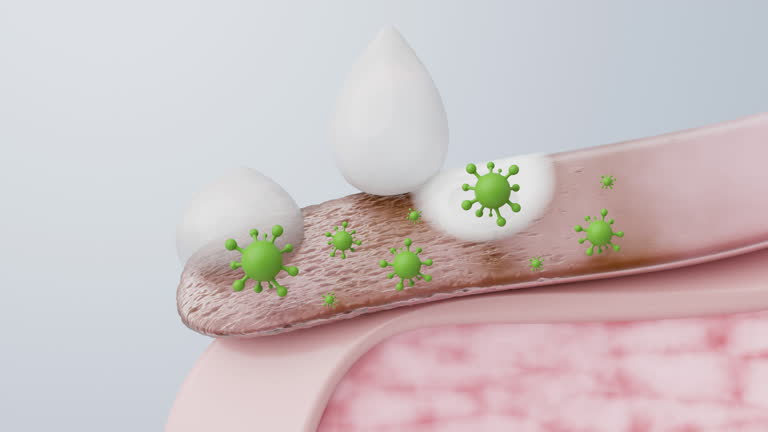
Symptoms of Nail Fungal Infection
Fungal infections can lead to thickened nails, making them appear unusually bulky or chunky, affecting both the nail plate and nail bed. Discoloration is one of the most common signs, with infected nails turning yellow, brown, or even white, uniformly or in patches, as the fungus disrupts normal nail structure. As the infection progresses, nails can become brittle, fragile, and prone to crumbling, breaking easily with a rough or powdery texture due to a weakened nail structure. Fungal infections can also distort the shape of the nails, causing ridges, bumps, or other abnormalities as the fungus spreads beneath the nail. In advanced cases, a foul odor may emanate from the affected nails, caused by a buildup of debris and microorganisms under the nail, particularly noticeable when nails are moist or enclosed in footwear for extended periods.
Cure for Nail Fungal Infection
Topical or oral antifungal medications, such as terbinafine, fluconazole, and ciclopirox, are often prescribed to target the fungus responsible for the infection and inhibit its growth. In mild cases, antifungal nail lacquers may be recommended, applied directly to the infected nails to form a protective barrier while delivering antifungal medication to the affected area. Nail debridement involves trimming and thinning the infected nails to remove debris and reduce fungal load, improving the effectiveness of topical treatments and promoting medication penetration into the nail bed. Laser therapy is a newer treatment option that uses laser energy to target and destroy the fungus without harming surrounding tissue, effective for stubborn or recurrent infections. Maintaining good nail hygiene keeping nails clean and dry, wearing breathable footwear, avoiding shared nail care tools, and regularly disinfecting nail clippers and files is also essential for preventing and managing nail fungal infections, alongside following any specific instructions from a healthcare professional.
Ready to treat your nail fungal infection?
Book a consultation with Dr. Sneh Thadani for a personalized treatment plan to restore your nail health.
Book a Consultation